
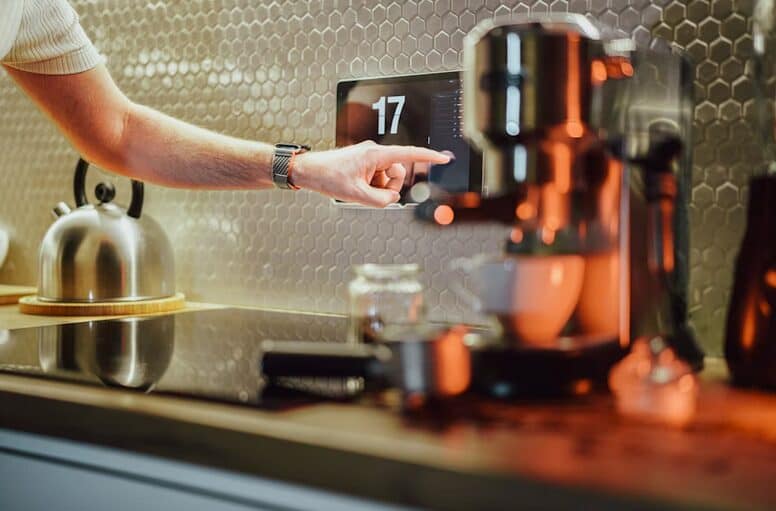
Smart homes aren’t just about adding gadgets after the fact anymore—they’re being designed with intelligence built in from the start. Whether you’re planning a custom build or working with an architect on a new project, integrating home automation from the ground up is the most efficient way to create a connected, comfortable, and future-ready space. By thinking ahead and designing with smart tech in mind, you’re not just making life more convenient—you’re also adding long-term value and adaptability to your home.
Smart Architecture
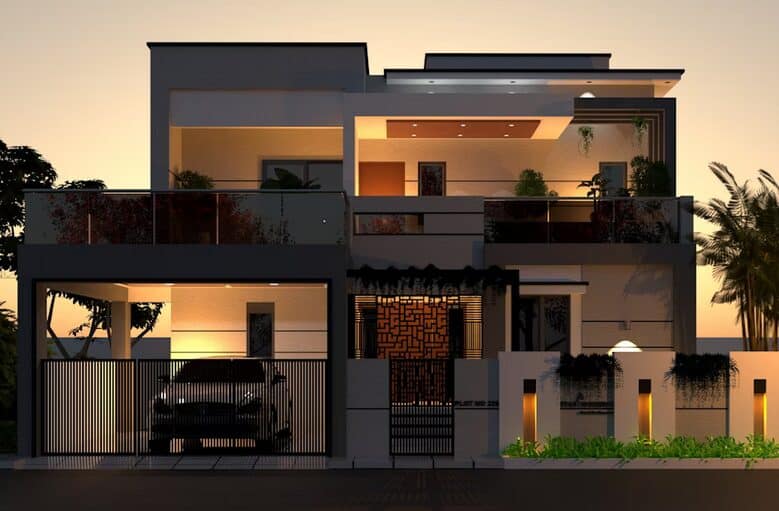
The best smart homes start with smart design. Architects and homebuilders are now collaborating with technology experts to incorporate automation systems directly into the blueprints. This early planning allows for optimal placement of wiring, sensors, and control hubs, making for a cleaner and more cohesive setup. One great example of how this integration is shaping modern design can be seen in the use of AI tools. According to https://www.it-boltwise.de/kuenstliche-intelligenz-in-der-architektur-vom-entwurf-bis-zur-architektensuche.html, artificial intelligence is already influencing everything from initial architectural layouts to the final selection of materials and smart systems. This seamless collaboration between design and tech ensures that your home works intelligently from day one—not as an afterthought.
Infrastructure That Supports Smart Living
If you’re building a smart home, the backbone matters. That means considering infrastructure like robust Wi-Fi coverage, structured cabling, and central control systems right from the planning phase. Homes today rely on more connected devices than ever, and a strong network is what holds it all together. Pre-wiring for data, security cameras, speakers, and other smart devices ensures that you won’t need to tear into walls later. It also provides flexibility for future upgrades. By laying the foundation for automation before drywall even goes up, you’re setting yourself up for a home that adapts as technology evolves.
Energy Efficiency

Smart homes shine brightest when they’re also energy efficient. Integrating smart thermostats, lighting systems, and automated window shades into the architecture means they can work together more effectively. Imagine a home where blinds lower automatically to block midday heat, lights adjust based on occupancy and daylight, and HVAC systems anticipate your arrival to warm or cool the space just in time. These systems are more efficient—and more accurate—when they’re installed as part of the home’s infrastructure. Energy management becomes part of the building’s DNA, not just an add-on feature.
Custom Automation That Matches Your Lifestyle
When automation is part of the original design, you get the opportunity to tailor the entire experience to your lifestyle. Whether it’s setting up whole-home audio zones, integrated home theater setups, or intelligent kitchen systems, early planning makes personalization easier and more effective. Instead of trying to adapt your routines to fit generic tech, the tech is built to support how you already live. From morning routines to security protocols, your home becomes a custom experience that flows naturally with your day.
Seamless Aesthetic and Functional Integration

Let’s not forget the look and feel of your space. When automation is an afterthought, devices often look tacked on or out of place. But when it’s integrated into the design, everything—from speakers and control panels to motion sensors and switches—can be blended into the architecture. You end up with a clean, modern look that doesn’t scream “tech” but quietly works in the background. Architects can collaborate with tech integrators to hide wires, build in control screens, and ensure all systems are accessible without dominating the space. It’s automation that complements, not competes with, your design vision.
Building smart from the start isn’t just a tech trend—it’s the new standard for modern living. By integrating automation into the design and construction phases, you create a home that’s more efficient, personalized, and ready for the future. Whether you’re aiming for better energy use, a seamless aesthetic, or just a more intuitive daily routine, designing with smart tech in mind from the beginning ensures your home is as intelligent as it is comfortable.