
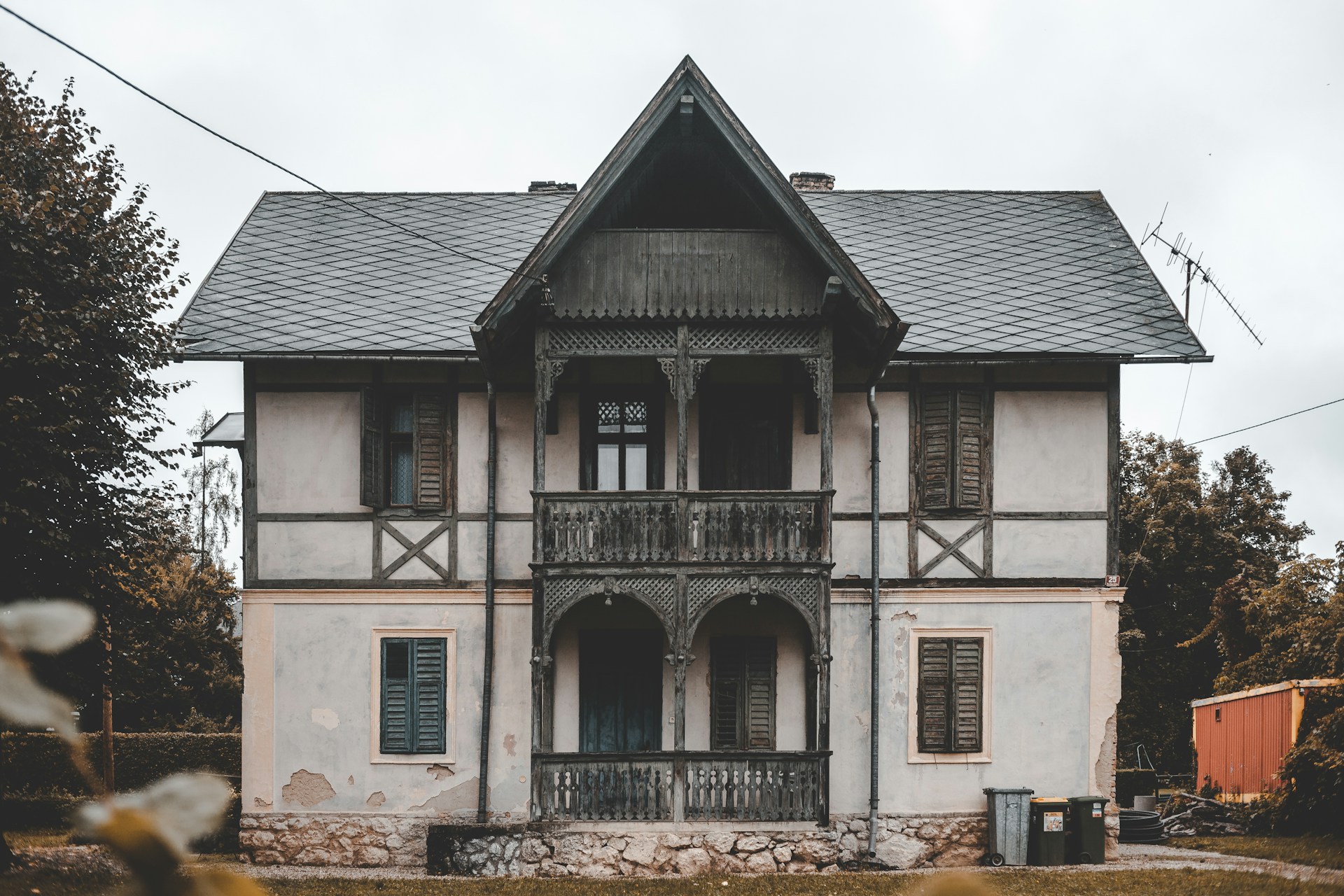
Some homes last 100 years because they are built with durable materials, cared for consistently, and updated before small issues become expensive disasters. We’ve talked with experts from BZ and found that preserving existing buildings often creates lasting value for both homeowners and entire neighborhoods. A century-old house rarely survives by accident. Every decade leaves behind evidence of smart decisions or neglected responsibilities. Here’s the secret of what makes some homes last 100 years (and even more) while others wreck in just a decade.
Solid Materials Give Homes a Head Start
Many long-lasting homes began with construction materials selected for endurance instead of speed. Dense timber, quality brick, natural stone, and durable roofing have a habit of standing firm through changing weather and changing generations. They may cost more upfront, but they often repay that investment over time. A strong frame gives every renovation a better foundation. Craftsmanship deserves just as much credit. Builders who took time to level floors, strengthen joints, and protect structures from moisture created homes that could handle decades of daily life.
Routine Care Beats Emergency Repairs
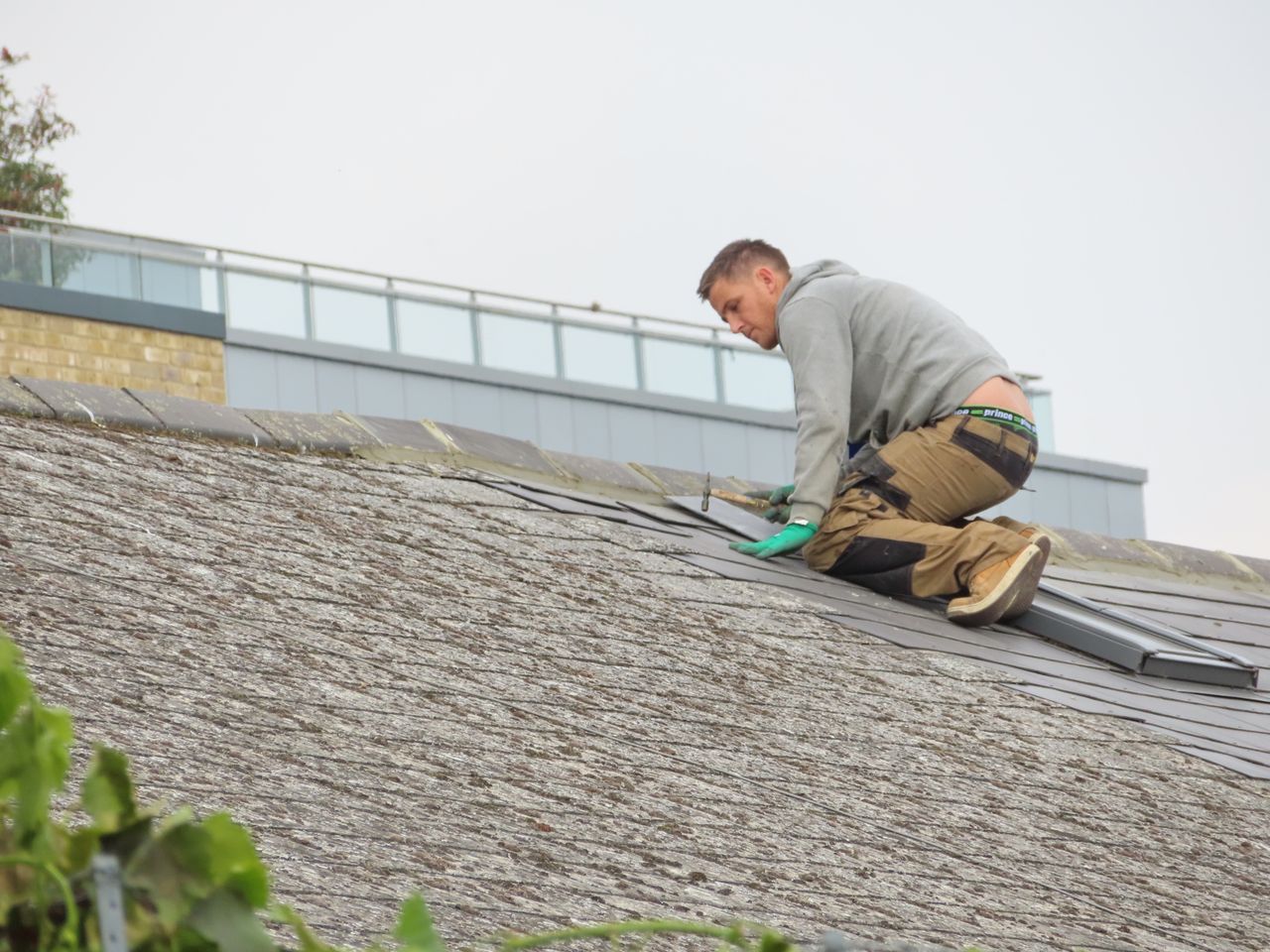
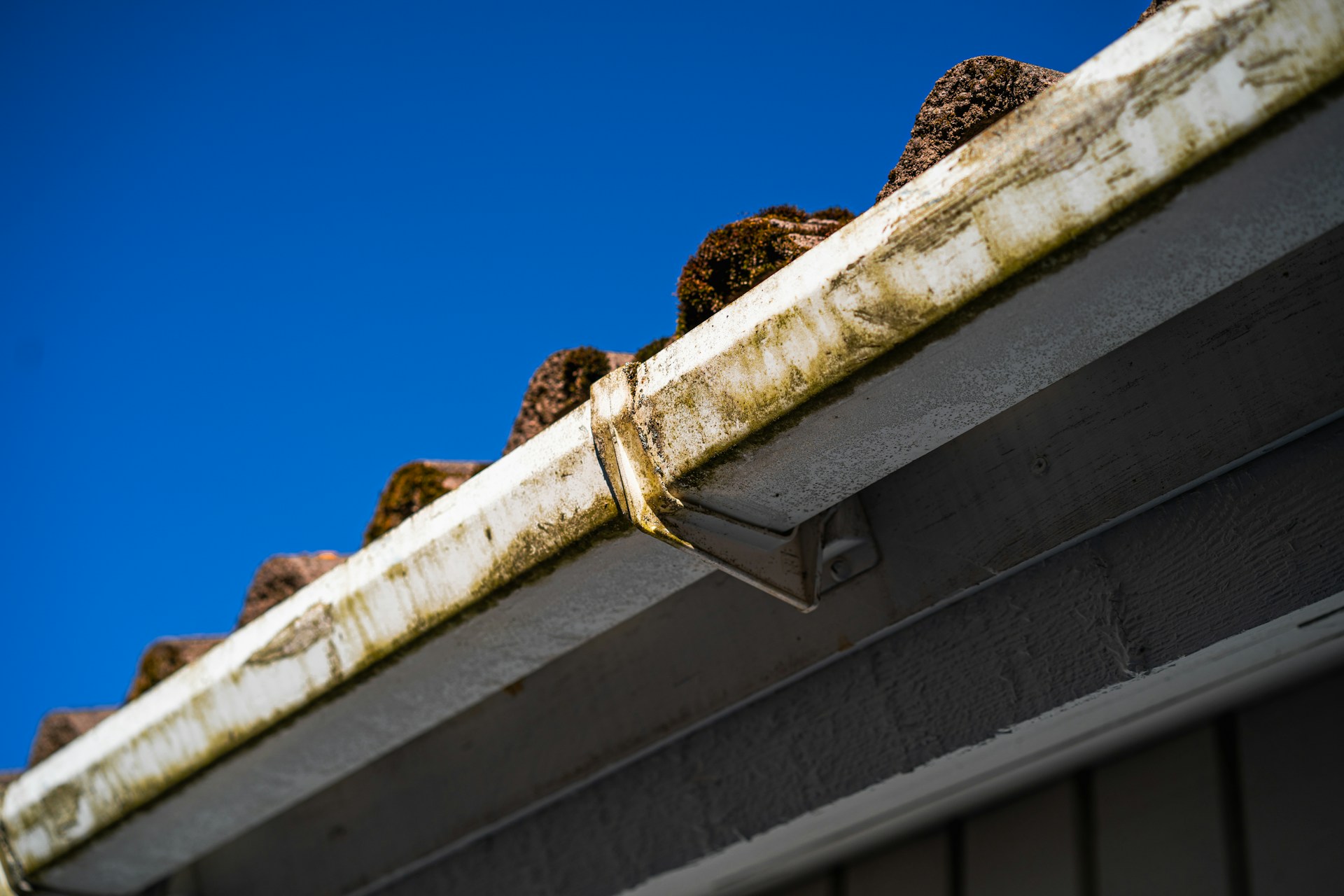
Think of a house like a favorite cast-iron skillet. Ignore it for years, and problems slowly pile up. Give it regular attention, and it rewards you for decades. The same principle applies to roofing, gutters, plumbing, and exterior walls. Small maintenance jobs often prevent much larger bills later. Replacing cracked sealant, clearing blocked gutters, and repairing loose shingles help stop water before it finds its way inside. Moisture rarely announces its arrival with a drumroll. It quietly sneaks in and causes damage where you can’t easily see it.
Homes That Adapt Keep Serving New Generations
The houses that survive for a century usually evolve with the families inside them. Spare rooms become nurseries, then offices, then guest bedrooms without requiring major reconstruction. Flexible layouts help homeowners respond to changing lifestyles instead of moving away every few years. Modern upgrades also play a major role. Improved insulation, updated wiring, efficient heating systems, and better plumbing allow historic homes to meet today’s expectations. These changes respect the original structure while making everyday living more comfortable. Old bones and modern comfort often work surprisingly well together.
Location and Community Add Staying Power
A well-built home benefits from a strong neighborhood too. Houses close to schools, parks, public transportation, and local businesses tend to remain desirable through different housing cycles. Communities that invest in preserving existing buildings also encourage owners to care for their own properties. One well-maintained house often inspires another. People form lasting connections in neighborhoods that grow gradually instead of changing overnight. Children ride bicycles on familiar streets. Neighbors greet each other during evening walks. These everyday moments strengthen the appeal of homes that have already witnessed generations of family life.
Respect for the House Makes the Biggest Difference
No building survives a hundred years on construction quality alone. Every owner adds another chapter to its story through maintenance, repairs, and thoughtful improvements. Delaying necessary work usually shortens a home’s …