When planning a new home, it’s easy to get caught up in the exciting stuff: the kitchen layout, big windows, flooring, paint colors, and that perfect outdoor space. But there’s another part of the plan that deserves attention from the very beginning: water efficiency. Saving water isn’t just about remembering to turn off the tap. The way a house is designed can have a huge impact on how much water it uses every day. By thinking about water efficiency before construction begins, homeowners can create a house that is more practical, affordable, and environmentally friendly for years to come.
Start With a Resource-Smart House Plan
Good water efficiency starts long before the first pipe is installed. The overall design of a home can influence everything from plumbing distances to how water is heated and reused. For more ideas about sustainable construction and resource-conscious home planning, www.bau-welt.de/ratgeber/tipps-und-tricks/ressourcenschonendes-bauen-erklaert-zukunft-hausbau.html offers useful background on building with resources in mind. Making these decisions early is much easier than trying to change the system once the walls are finished.
Plan Plumbing for Less Waste
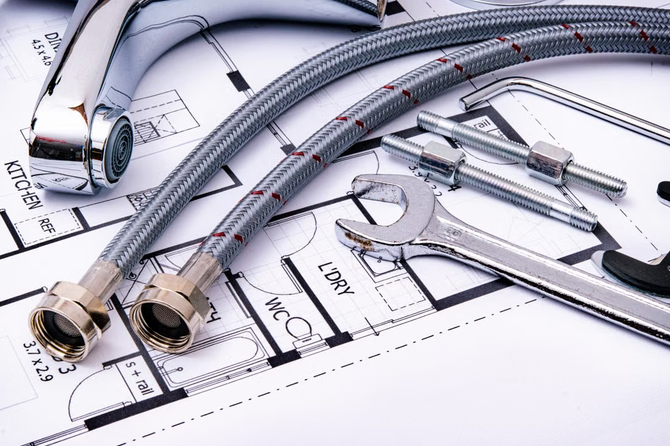
The location of bathrooms, kitchens, and laundry areas matters more than you might think. If these spaces are positioned thoughtfully, plumbing runs can be shorter and more efficient. That can reduce water waste while hot water reaches the tap. A well-planned system can also make maintenance easier, which is a nice bonus when something eventually needs fixing.
Choose Fixtures That Work Smarter
Water-saving fixtures have come a long way. Low-flow showerheads, efficient toilets, and modern faucets can reduce water use without making everyday life feel restrictive. The key is to choose products that balance efficiency with comfort. Nobody wants a shower that feels like standing under a garden hose on its weakest setting. Quality fixtures can save water while still delivering the pressure and performance people expect.
Think About Rainwater From Day One
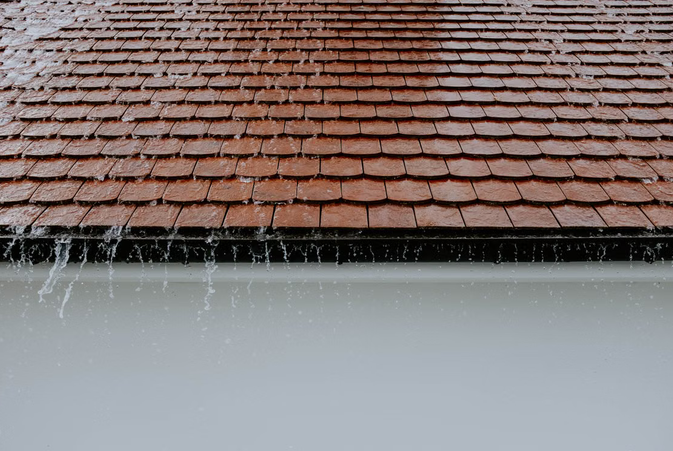
Rainwater is another opportunity that can be missed if it isn’t considered during the planning stage. Depending on local regulations and the home’s design, collected rainwater can potentially be used for tasks such as garden irrigation or toilet flushing. Planning the storage tank, drainage, and connections before construction is far simpler than trying to squeeze a rainwater system into an already finished property.
Make the Garden Part of the Plan
Water efficiency shouldn’t stop at the front door. Landscaping can have a surprisingly large effect on household water consumption. Choosing plants that suit the local climate, improving soil quality, and designing sensible irrigation can all reduce the need for constant watering. A garden that works with its environment is often easier to maintain, too, which means less time dragging a hose around on hot afternoons.
Consider Hot Water Efficiency
Heating water takes energy, so reducing unnecessary hot-water use can help in more ways than one. Efficient water heaters, sensible pipe layouts, insulation, and smart controls can all make a difference. It’s worth considering these details when designing the house, as they become much harder and more expensive to change …